
Moving With Kids: Making the Day Easier on Everyone
Children experience a move as something happening to them rather than something they are doing. Most of what helps comes down to giving them some control over a situation they did not choose.
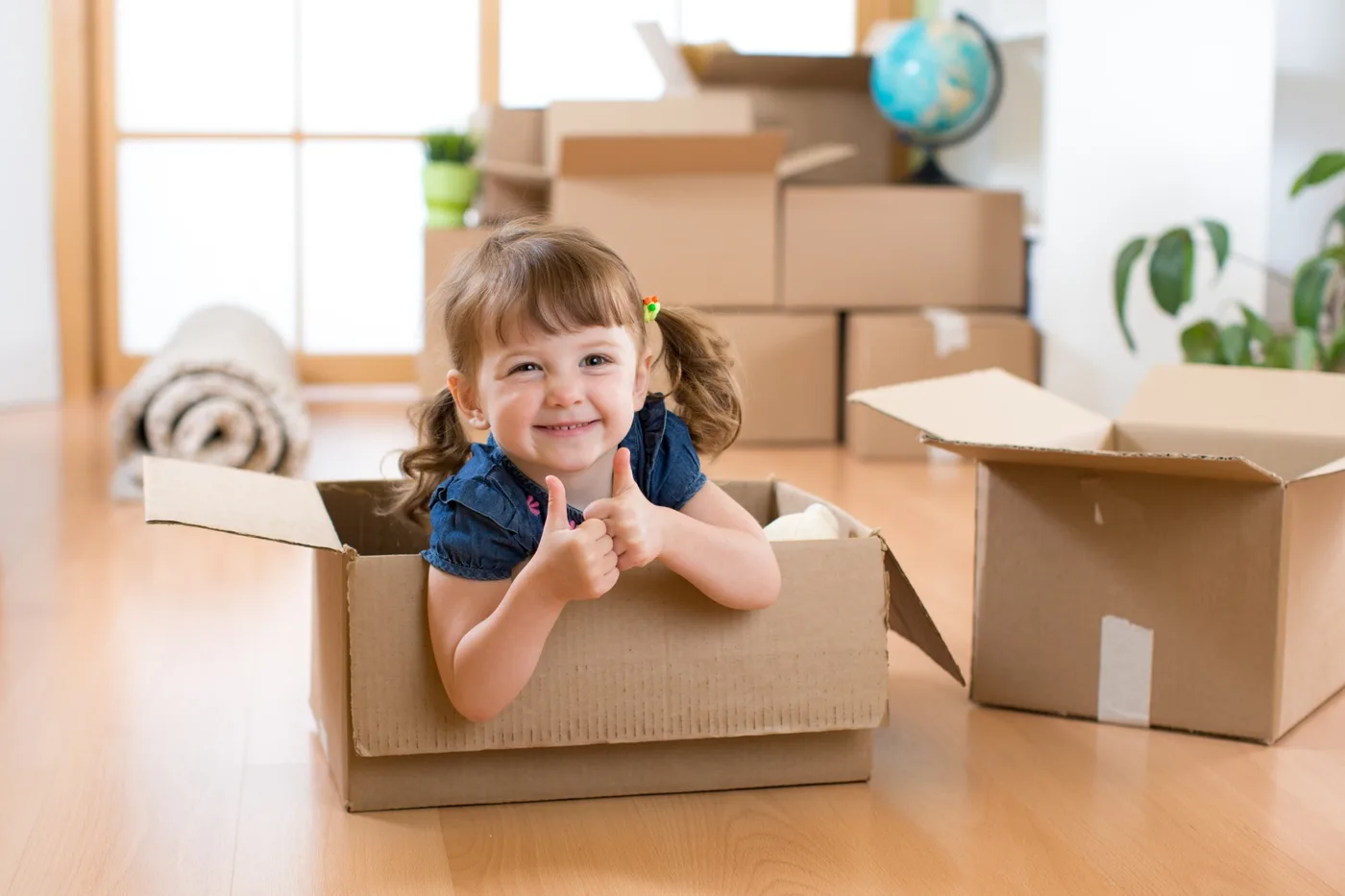
Tell them early, and tell them properly
Not the night before. Children need time to absorb it, and finding out late damages trust at exactly the wrong moment.
What they want to know is rarely what adults assume. It is: Will I change school? Will I still see my friends? Where will my things go? Where will the dog sleep? Answer those plainly, including when the answer is "I don't know yet."
Show them the new place if you can — in person, or photographs and a map. An unknown is far more frightening than a known.
Give them decisions to make
The move is not their choice. Choices inside it can be:
- Which wall their bed goes against.
- What colour their new room is.
- Which toys go in their own box.
- What the family eats on the first night.
Let them pack their own box. Label it clearly, keep it with you rather than on the truck, and open it first at the other end. Familiar things appearing immediately in an unfamiliar room does a great deal.
Expect some regression
Younger children may return to behaviour you thought was behind you — disrupted sleep, clinginess, bedwetting. It is normal and it passes. Teenagers may be angry rather than sad, and the anger is usually about leaving friends.
Neither is really about the boxes.
Moving day itself
Arrange for them to be elsewhere. This is the single most useful thing you can do. A grandparent, a friend, a babysitter for the day. Moving day is loud, busy and full of heavy objects and open doors — it is not a safe or pleasant place for a small child, and you will not be able to supervise properly while answering questions from a crew.
If they must be there:
- One room, set up with familiar things, that is packed last and unpacked first.
- Someone whose only job is them.
- Snacks, drinks and screens. This is not the day for principles about screen time.
- In a Central Florida summer, keep them out of the heat. Loading happens with doors open and the air conditioning losing the argument.
The first night
Set up their bedroom first — before the kitchen, before anything else. Their own bedding, their own things visible.
Keep whatever the usual bedtime routine is. Same story, same order, same cup. Familiar sequence in an unfamiliar room is what actually settles a child.
Do not expect a good night. The second one is usually better.
The first fortnight
- Unpack their room fully before the rest of the house.
- Get to a park, a library, a pool. Somewhere that becomes theirs quickly.
- Arrange contact with old friends early — a video call in the first week matters more than you would think.
- Expect a wobble around a week or two in, once the novelty fades.
Practical bits
- School records transferred before the move, not after.
- Cots and bunk beds usually need taking apart — see disassembly and reassembly.
- Pack a child-specific essentials bag: pyjamas, toothbrush, the specific comfort object, nappies if relevant, and a change of clothes.
- If you have pets too, moving with pets covers that side.
Let someone else carry the boxes
The more of the physical move that is handled for you, the more you can spend on the children — which on this particular day is where it is needed. Packing and unpacking is worth considering for exactly that reason.
We serve Orlando, Oviedo, Winter Park, Union Park and the surrounding area.
Call In A Zip Moving on (407) 987-2624 for a free quote.