
How Long Does a Local Move Actually Take?
People ask how long the drive takes. The drive is nothing. Winter Park to Altamonte Springs is twenty minutes and it is the only part of the day I can predict to the minute.
Everything else depends on what is in the house and how far it is from the back of the truck.
I have done three-bedroom houses that were finished by two in the afternoon, and three-bedroom houses that were still going at seven in the evening. Same square footage. Same number of people carrying. The difference was never the house.
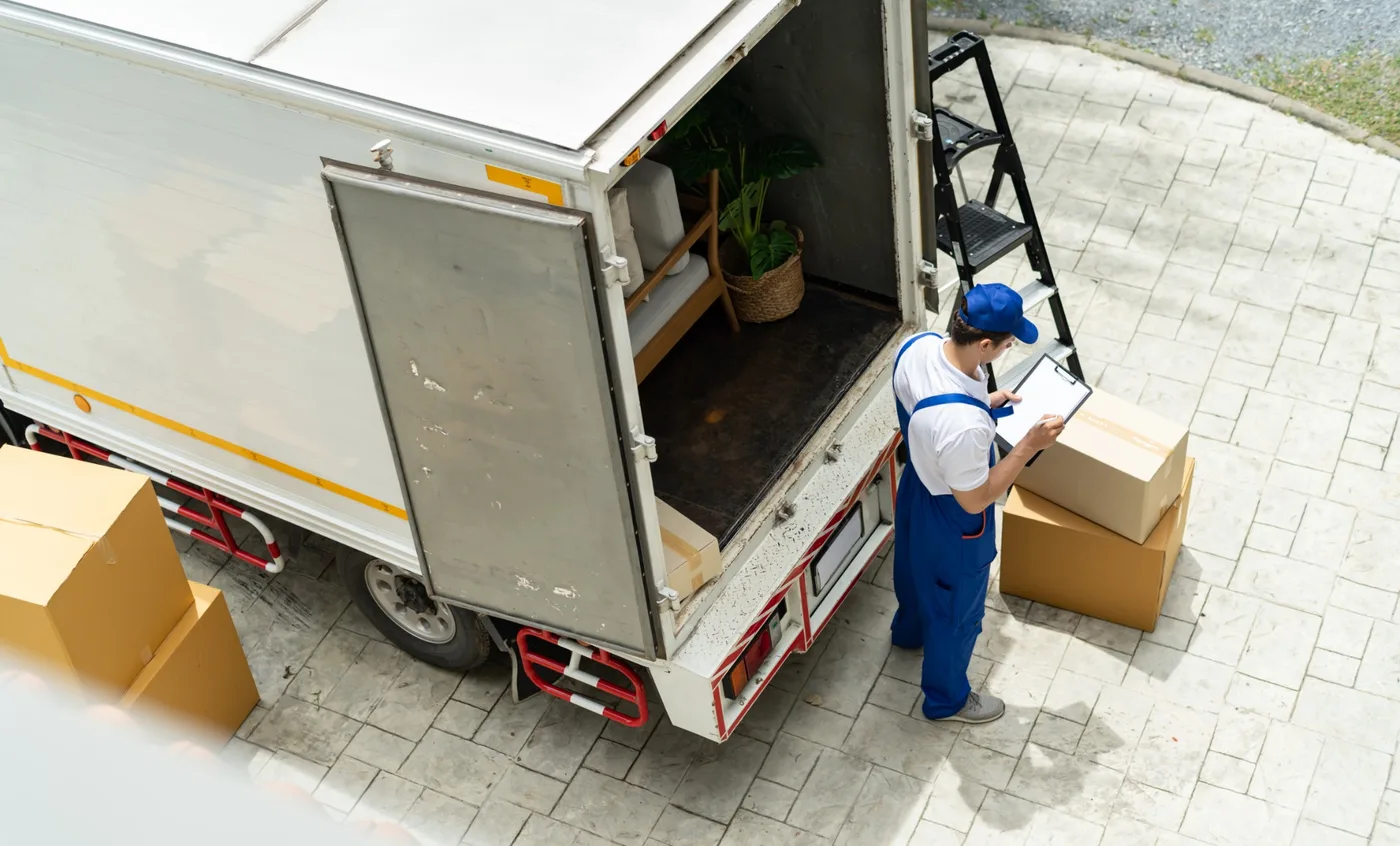
The drive is the shortest part of the day
Inside the Orlando metro almost nothing is more than half an hour from anything else. So on a local move, the truck being on the road is the part of the day nobody needs to worry about.
What you are actually buying is carries. One person, one item, door to truck, and back again. Do that four hundred times and you have a moving day.
So the useful question is not how far. It is how many carries, and how long is each one.
Where the hours actually go
Roughly, on a normal house:
Loading is most of it. More than half the day, usually. It is slower than unloading because the truck has to be packed properly — heavy and square along the walls, weight low, nothing able to shift when the driver brakes on 17-92. A truck packed badly loads faster and costs you an hour in damage claims.
Unloading is quicker, because the puzzle is already solved. Things come off in an order that makes sense and go into rooms.
Wrapping and protecting is the part nobody budgets for. Blankets on the furniture, wrap over the blankets, cardboard on the door frames, runners on the floor. It happens before anything moves and it looks like nothing is happening. It is why the first forty minutes can look unproductive from a kitchen window.
Assembly at the other end — beds back together, the table legs back on, the wardrobe doors rehung.
The walkthrough at both ends. Five minutes each, and worth every second.
The things that quietly add an hour
None of these are dramatic. They just stack.
Stairs. Every flight adds a few seconds to every single carry. It sounds like nothing. Multiply it by four hundred and you have an afternoon. A third-floor walk-up is a different job from a ground-floor condo and I would rather know about it on the phone than find out in the driveway.
Where the truck parks. Forty feet from the door is fine. A hundred and fifty feet, across a car park, past a gate that needs a fob, is not. In a lot of apartment complexes here the loading area is nowhere near the unit, and the long carry is the whole story of the day.
Lifts. Especially shared ones. If the building has a service lift and it can be reserved, reserve it. Waiting for a passenger lift with a sofa on a dolly while residents come and go is the slowest hour of any move.
Boxes that aren't finished. This is the big one, and it is the one people do not believe until it happens to them. If there are six half-packed boxes in the kitchen at eight in the morning, the crew works around them, comes back to them, and the whole day runs behind.
Furniture nobody mentioned had to come apart. A bed frame that will not clear the bedroom door, a sectional that has to be split, a treadmill. All normal — see when furniture has to come apart — but it takes the time it takes, and it takes longer at eight in the morning than it does the week before.
Things that need a decision. "Are we taking this?" is the most expensive question on moving day. Every one of them stops two people.
Heat. Between June and September a crew that started at seven is carrying in shade and reasonable air. By two in the afternoon nobody is moving at the pace they were at eight, and they should not be. That is not slowness, it is how people avoid going down in a driveway in August.
The things that take one off
Be finished packing. Not nearly. Finished. Boxes closed, taped, labelled by room, stacked in one place per room. This is worth more than anything else on the list.
Empty the walkways. The hall, the stairs, the path from the door to the truck. Nothing on the floor.
Take the beds apart yourself if you are able, or book it so it is already planned rather than discovered.
Have one person in charge. One. Somebody who can answer "which room?" without going to find someone else.
Put the pets and the small children somewhere else. Not unkind — practical. Doors are propped open all day. Moving with pets and moving with kids both come down to the same advice.
Reserve the parking and the lift at both ends.
Label the room, not the contents. We do not need to know it is glassware. We need to know it goes in the kitchen. Colour-coded tape on the box and a matching strip on the door frame at the new place is the fastest system I have seen anyone use, and it costs about four dollars.
Two hours you can delete before we knock
If you do nothing else on this page, do these.
The first is to get rid of things. Not on the day — weeks before. Every item that leaves the house in advance is an item nobody carries, wraps, drives or carries again. Garages and lofts are where this hides, and in this state so are the storage cupboards full of hurricane supplies from four seasons ago.
The second is to finish the kitchen first, not last. Everybody leaves it to the end because they are using it. It is the slowest room in the house to pack, by a distance, and the one most likely to still be half done when the truck arrives. Pack the good crockery and the unused appliances now and live out of six plates for a fortnight.
Why there is no number on this page
You will have noticed I have not told you how many hours a three-bedroom takes.
That is deliberate, and for the same reason there is no price on this site. Any figure typed onto a web page without seeing your stairs, your parking and your garage is a figure that changes the moment we arrive, and by then you are in a bad position to argue about it. We would rather look at the place, count the awkward things and tell you something you can actually plan around. There is more on how estimates get built in what a local move costs in Central Florida.
What I will say is this: the spread between a fast day and a slow one is much wider than people expect, most of it is decided before anyone knocks on your door, and nearly all of that part is yours to control.
Getting a straight answer for your house
Tell us the floor, the parking, the stairs, and the one item you are worried about. That is usually enough to know what kind of day it is.
We cover Winter Park, Orlando, Altamonte Springs, Seminole County and the rest of Central Florida.