
Packing Fragile Items: Glassware, Electronics and Art
Almost everything that breaks in a move breaks for one of two reasons: it was packed with room to move, or it was packed under something heavy.
Fix those two and most of the risk goes.
The principle
A packed box should have no empty space and no pressure points. Anything loose inside will shift for the whole journey. Anything bearing weight will eventually give.
Shake a finished box gently. If you hear movement, it needs more padding.
Plates and crockery
- Wrap each plate individually in packing paper. Not newspaper — the ink transfers.
- Stand plates on edge, like records in a rack. A plate on its edge is dramatically stronger than one lying flat with weight on it.
- Padding on the base, between every layer, and on top.
- Small or dish-pack boxes only. A large box of crockery is too heavy to handle safely.
Glasses and stemware
- Paper inside each glass first, then wrap the outside.
- Stems get extra padding — it is nearly always the stem that goes.
- Glasses stand upright, never on their sides.
- Use a divided dish pack if you have one.
Mirrors, artwork and glass tops
- Tape a large X across the face of glass. It does not prevent breakage, but it holds the pieces together if it happens.
- Corner protectors, then blanket or bubble wrap.
- Flat picture boxes for anything sizeable.
- Always transported upright, on edge — never flat, where any weight on top will crack it.
- Genuinely valuable art is worth professional crating. Say so when you get your quote.
Televisions and screens
- The original box is best. Failing that, a screen-specific box.
- Photograph the connections before unplugging.
- Blanket-wrap, then carry and transport upright. A flat screen laid down flexes and panels fail.
- Never stack anything on a screen, however light.
Electronics generally
- Photograph the back of anything with more than two cables.
- Bag each device's cables and tape them to it.
- Remove discs, cartridges and anything else loose inside.
- Batteries out of anything going into storage.
Lamps
Shade off, base wrapped separately. Shades go in large boxes with padding, never underneath anything.
The Florida problem: heat
This is the part most packing guides skip, and here it matters.
A truck or a car in a Central Florida summer gets very hot. Things that do not cope:
- Candles — they melt, and they ruin what they are packed with.
- Vinyl records — they warp.
- Cosmetics, medication and some cleaning products.
- Some electronics, particularly anything with a battery.
Anything on that list travels with you, in air conditioning. And on a hot day, loading early is genuinely better for your belongings, not only for the crew.
Label it properly
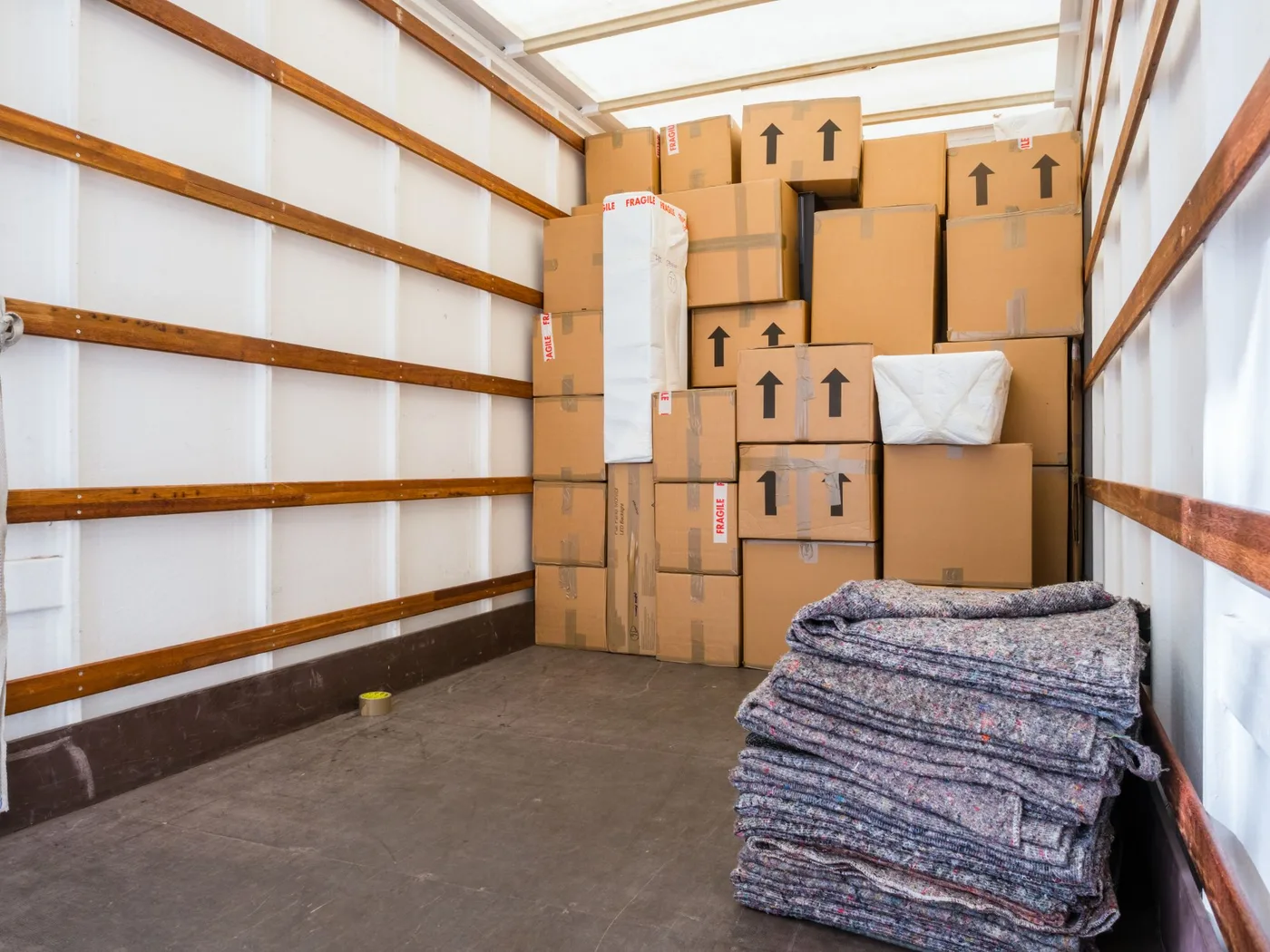
"FRAGILE" on the side, and an arrow showing which way is up. A crew cannot know what is in a box unless you tell them — and they will handle it accordingly when you do.
When to hand it over
Fragile packing is slow and exacting. If you have a lot of glass, inherited crockery or anything you would be genuinely upset to lose, our packing and unpacking service exists for exactly that. It is also worth reading moving insurance and valuation, because basic coverage is often calculated by weight — which pays out very little on something light and valuable.
We serve Winter Park, Orlando, Maitland, Seminole County and the surrounding area.
Call In A Zip Moving on (407) 987-2624 for a free quote.